The Value of Metal Foundries: An Extensive Introduction of Their Influence on Manufacturing
Metal shops are essential to the manufacturing landscape. They change raw materials into elements that serve varied industries, from automobile to aerospace. Their knowledge in alloy solution and spreading strategies guarantees the production of long lasting parts. Nonetheless, the industry encounters challenges that might improve its future. Recognizing these dynamics discloses real value of foundries in economic and technical contexts. What lies in advance for this vital market?
The Role of Steel Foundries in the Production Process
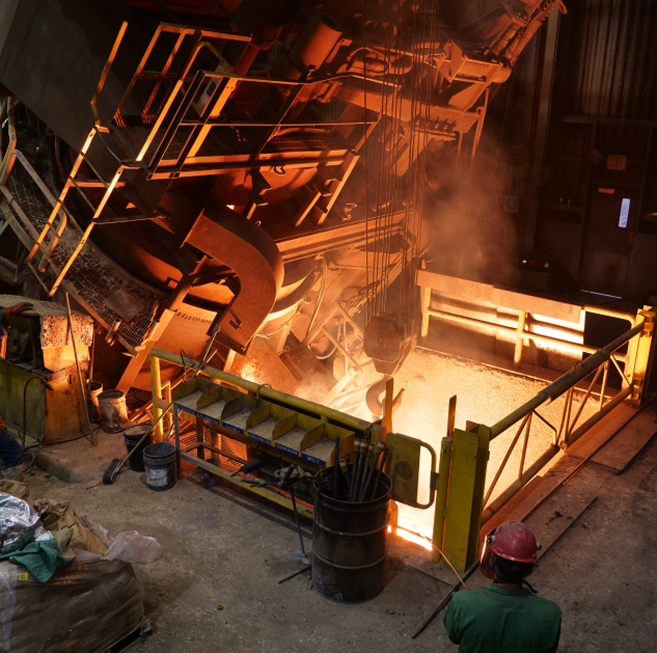
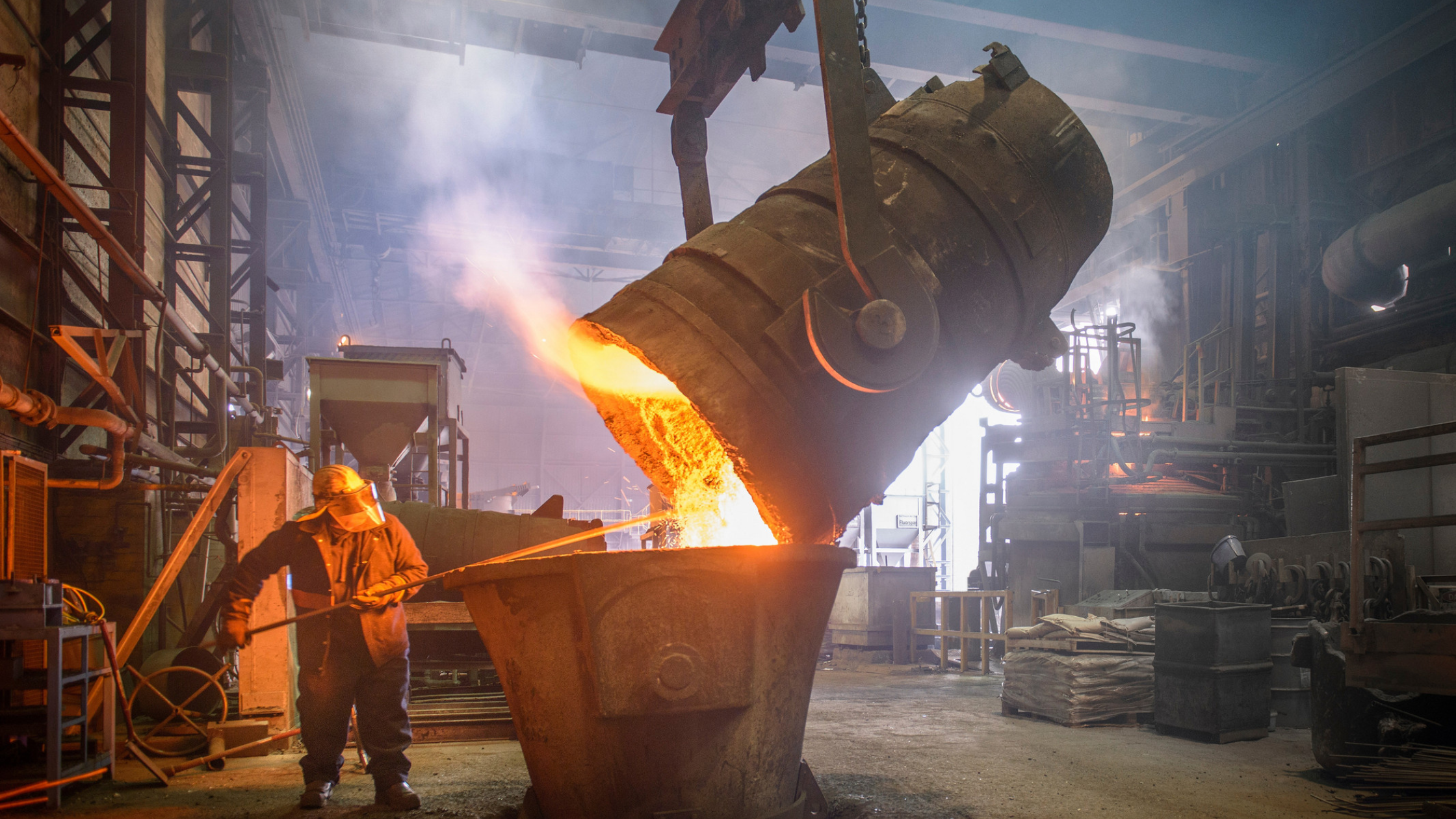
Often neglected, steel shops play an important role in the production process by changing raw steels right into usable elements. These facilities specialize in melting different metals, such as iron, bronze, and aluminum, and putting them right into mold and mildews to produce components for varied industries. The procedure starts with the cautious choice of basic materials, ensuring that just the best metals are made use of. Once thawed, the steel tackles the form of the mold, strengthening right into parts that satisfy details design and efficiency requirements.
Steel shops add substantially to sectors like automotive, aerospace, and building and construction by supplying necessary elements such as engine blocks, gears, and structural assistances. Their competence in alloy solution and casting strategies enables suppliers to produce complex layouts while preserving strength and longevity. As a result, steel shops not only facilitate the development of vital parts however likewise enhance the general effectiveness and performance of modern-day manufacturing.
Enhancing Manufacturing Effectiveness Via Advanced Techniques
Steel factories are progressively embracing innovative techniques to enhance production performance and fulfill the expanding needs of various sectors. The implementation of automation and robotics has streamlined processes, decreasing hands-on labor and raising accuracy in metal casting operations. In addition, the integration of computer-aided style (CAD) and simulation software application permits much better planning and optimization of production operations, lessening waste and lowering lead times.
Lean manufacturing principles are likewise being utilized to eliminate inadequacies and improve resource application. Foundries are currently focusing on energy-efficient practices, such as making use of waste heat recovery systems, which further add to cost financial savings and ecological sustainability. By welcoming these innovative methods, metal foundries are not just improving their functional performance however additionally improving product top quality, resulting in greater customer contentment. As markets remain to advance, the capacity of foundries to adjust to these developments will be crucial for maintaining competitiveness on the market.
Advancements in Metal Spreading Technology
As the need for accuracy and efficiency in producing grows, technologies in metal spreading modern technology are changing the industry landscape. Developments such as 3D printing and computer-aided layout (CAD) are enabling shops to create intricate geometries with higher precision and speed. These methods minimize material waste and reduce lead times, promoting a much more lasting manufacturing procedure.
Smart factory modern technologies, consisting of the Web of Points (IoT), help with real-time monitoring and data evaluation, optimizing production efficiency and lowering downtime. Collectively, these advancements are not only enhancing the abilities of metal shops however also setting the stage for the future of manufacturing, characterized by boosted agility and responsiveness to market demands.
The Economic Influence of Steel Factories on Global and neighborhood Markets
Metal factories play a vital function fit economic landscapes, both locally and around the world. They produce significant work production opportunities and add to export and trade, strengthening overall financial growth. In addition, factories sustain regional business ecological communities, fostering synergistic partnerships that improve area durability.
Task Development Opportunities
Task creation in the metal foundry market significantly affects both global and regional economic climates. These centers provide countless employment possibility throughout different ability levels, from experienced labor to design and monitoring positions. The need for steel components in sectors such as automotive, aerospace, and building drives the demand for a durable labor force. As metal shops expand, they boost extra job creation in secondary sectors, consisting of transportation, logistics, and supply chain administration. Furthermore, the economic stability given by foundry tasks contributes to local communities via enhanced investing and financial investment in facilities. On the whole, the steel foundry industry's capability to produce work not just boosts private resources however likewise bolsters regional growth and durability, showcasing its vital role in financial growth.
Export and Trade Contributions
A significant section of the financial effect produced by factories originates from their contributions to export and trade. Metal shops play an important function in providing elements for numerous industries, consisting of vehicle, aerospace, and building, thereby boosting a nation's export capabilities. By producing premium castings and components, foundries enable local economic climates to contend on a global scale. The export of these products not only increases earnings but likewise fosters worldwide partnerships and profession agreements. On top of that, shops add to a beneficial trade equilibrium, which is critical for financial security. The export activities of metal shops boost development and financial investment, inevitably enhancing their value in both regional and global markets, driving growth and economic durability.
Resident Organization Support Equipments
While neighborhood economic situations usually benefit from the visibility of steel foundries, their impact prolongs beyond mere work creation. These facilities contribute greatly to regional company support systems by promoting a network of suppliers, provider, and secondary markets. this post This interconnected environment improves financial durability, enabling smaller sized companies to flourish alongside bigger foundries. Additionally, metal shops often participate in area campaigns, purchasing regional facilities and education, which even more boosts economic growth. On a more comprehensive scale, the existence of factories can draw in financial investment and talent, reinforcing the area's competitive benefit in global markets. Inevitably, the financial payments of metal foundries not just produce direct employment however additionally grow an encouraging environment for diverse neighborhood enterprises.
Challenges Encountering Metal Factories in the Modern Period
As the steel shop industry progresses, it deals with numerous difficulties that threaten its sustainability and competition. One significant issue is the enhancing price of resources, which directly affects manufacturing expenditures. Global supply chain disturbances even more exacerbate this trouble, making it hard for shops to keep regular procedures. Additionally, labor scarcities offer a significant hurdle, as skilled employees come to be scarce in a swiftly altering technological landscape.
In addition, metal shops should emulate stringent ecological laws that require greater conformity expenses and financial investment in cleaner modern technologies. This shift calls for shops to adjust swiftly, typically straining funds.
Competitors from automated production processes and abroad manufacturing includes stress, requiring local shops to risk or introduce obsolescence. Dealing with these challenges is essential for the sector to flourish in a affordable and significantly complicated market environment.
Sustainability Practices in Steel Establishing
In feedback to the difficulties dealt with by the sector, steel foundries are significantly embracing sustainability practices to boost their functional efficiency and ecological responsibility. These practices include the execution of energy-efficient modern technologies, such as electric induction heating systems, which decrease power intake and greenhouse gas exhausts. In addition, numerous factories are focusing on recycling scrap metal, reducing waste, and utilizing environmentally friendly products to decrease their environmental impact.
Water preservation measures are likewise being prioritized, with systems established to recycle process water, therefore minimizing freshwater usage. Moreover, factories are purchasing employee training programs to advertise sustainable practices among workers, cultivating a society of environmental understanding.
Future Trends in the Metal Shop Sector
Moving and arising innovations market demands are poised to improve the metal factory market in the coming years. Boosting automation, driven by improvements in robotics and expert system, is anticipated to enhance production effectiveness and minimize labor expenses. Aluminum Casting. Furthermore, additive production techniques, such as 3D printing, visit this web-site are getting grip, enabling for more complicated and tailored metal components with decreased waste
Sustainability will certainly additionally play an important role, with foundries taking on greener practices to decrease their environmental influence. The market is likely to see a surge in the usage of recycled products as raw inputs, lining up with international sustainability goals.
Furthermore, the demand for light-weight and high-performance alloys, especially in the aerospace and automotive sectors, is anticipated to boost. This evolution will necessitate recurring financial investment in r & d, making it possible for steel foundries to thrive and adjust in a competitive landscape. Overall, these patterns are established to redefine the operational landscape of metal shops.
Often Asked Questions
What Sorts of Metals Are Commonly Made Use Of in Foundries?
Common steels used in foundries include iron, zinc, copper, and aluminum. These materials are preferred for their unique residential or commercial properties, enabling diverse applications in markets such as auto, aerospace, and building, adding considerably to manufacturing processes.
Just How Do Steel Foundries Ensure Item High Quality and Consistency?
Steel foundries guarantee product top quality and uniformity through strenuous quality assurance measures, consisting of accurate temperature guideline, material testing, and adherence to industry standards. Normal inspections and knowledgeable craftsmanship better enhance reliability and harmony in manufacturing processes.
What Precaution Are Executed in Metal Foundries?
Metal shops apply safety and security actions such as individual safety devices, air flow systems, regular safety training, and strict adherence to safety procedures to decrease threats. These techniques aim to secure employees and maintain a safe functioning environment.
What Are the Profession Opportunities in the Metal Foundry Industry?
Job opportunities in the metal foundry industry consist of duties such as foundry employees, quality control assessors, designers, machine operators, and monitoring positions. These functions require various skills, offering pathways for advancement and field of expertise within the field.
How Do Shops Handle Waste and Recycling of Materials?
Foundries handle waste and reusing through processes like recovering sand, melting scrap metal, and making use of spin-offs for power. These methods minimize environmental influence while advertising sustainability within the steel spreading industry and boosting source efficiency.
Frequently ignored, metal foundries play a vital function in the production process by changing raw steels right into usable elements. Metal foundries are significantly adopting advanced methods to improve production performance and fulfill the growing demands of different industries. Steel foundries play a crucial duty in supplying parts for various industries, including vehicle, aerospace, and construction, consequently improving a nation's export abilities. In action to the difficulties dealt with by the sector, steel shops are significantly embracing sustainability practices to boost their operational efficiency and ecological duty. Metal Casting. Career chances in the read here metal factory industry include roles such as foundry workers, top quality control inspectors, engineers, equipment operators, and administration settings